July 9, 2026
Embarking on the journey of building a new home is an exhilarating milestone, but it also requires making dozens of critical structural decisions. Among these, choosing your new roof stands out as one of the most vital investments you will make for your property's long-term protection. A roof is far more than a collection of shingles; it is a complex system designed to regulate temperature, shed water, and defend your living space against severe weather. Navigating this process can feel overwhelming with the sheer number of materials, designs, and professional options available today. Understanding the core components of installation helps you communicate effectively with experts and ensures your home gets a durable defense system. Relying on established roofing companies during the planning phases can save you from future structural headaches and unexpected expenses.
Understanding Your Local Climate Challenges
The geographic location of your new home dictates exactly how your roof should be engineered to perform. Regions prone to heavy winter snow demand materials with high weight tolerances and shapes that encourage shedding, while areas facing intense summer heat require reflective properties to keep cooling bills manageable. Professional roofing companies look closely at historical weather patterns in your town to recommend the right underlayment and ventilation systems. If your area frequently experiences high winds or hail storms, your material choices will shift toward impact-resistant options. Neglecting regional weather patterns during the design phase can lead to premature material degradation and costly water damage down the line. Working with local roofing companies ensures that your roof is built to survive the unique environmental pressures of your specific neighborhood.
Selecting the Ideal Roofing Material
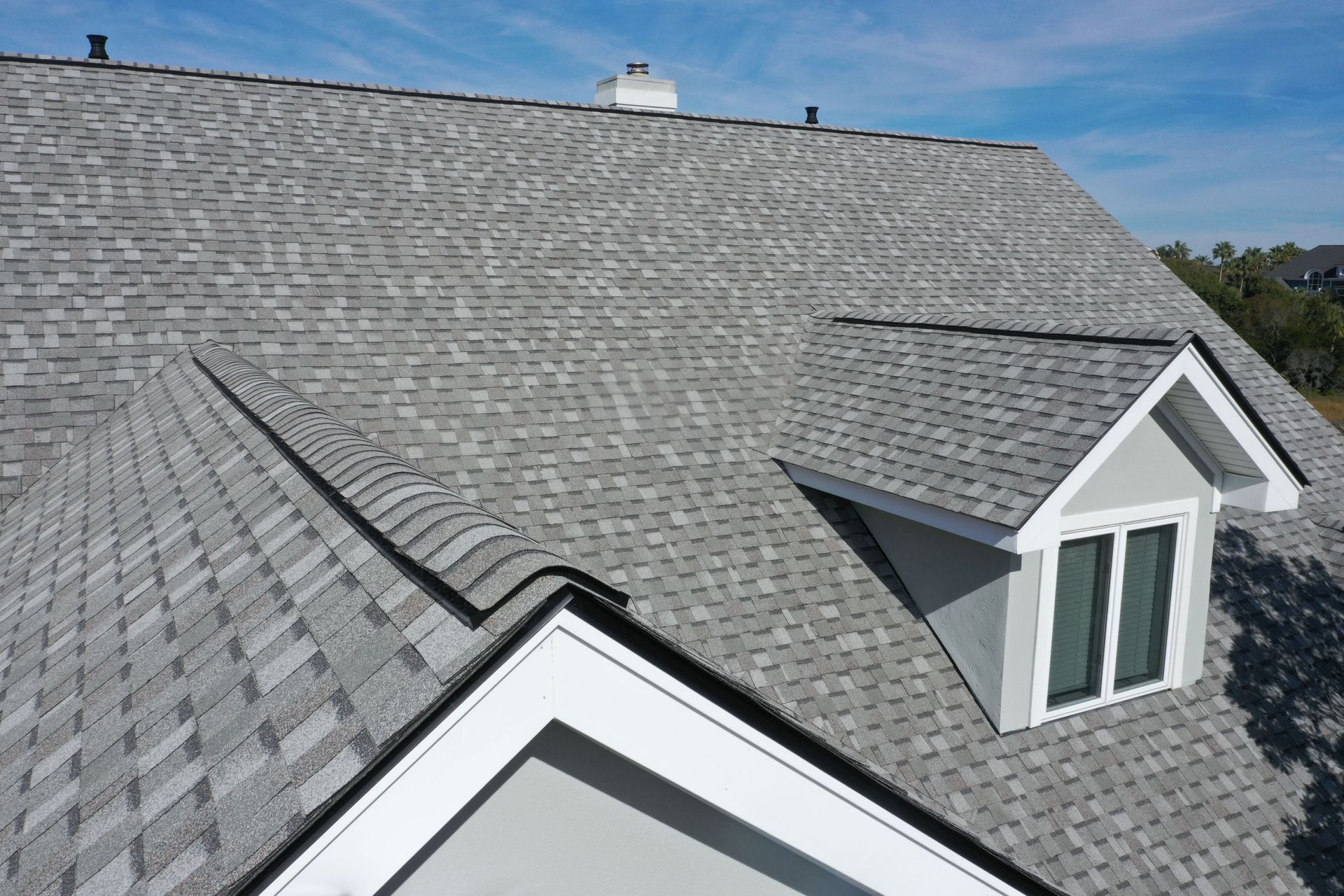
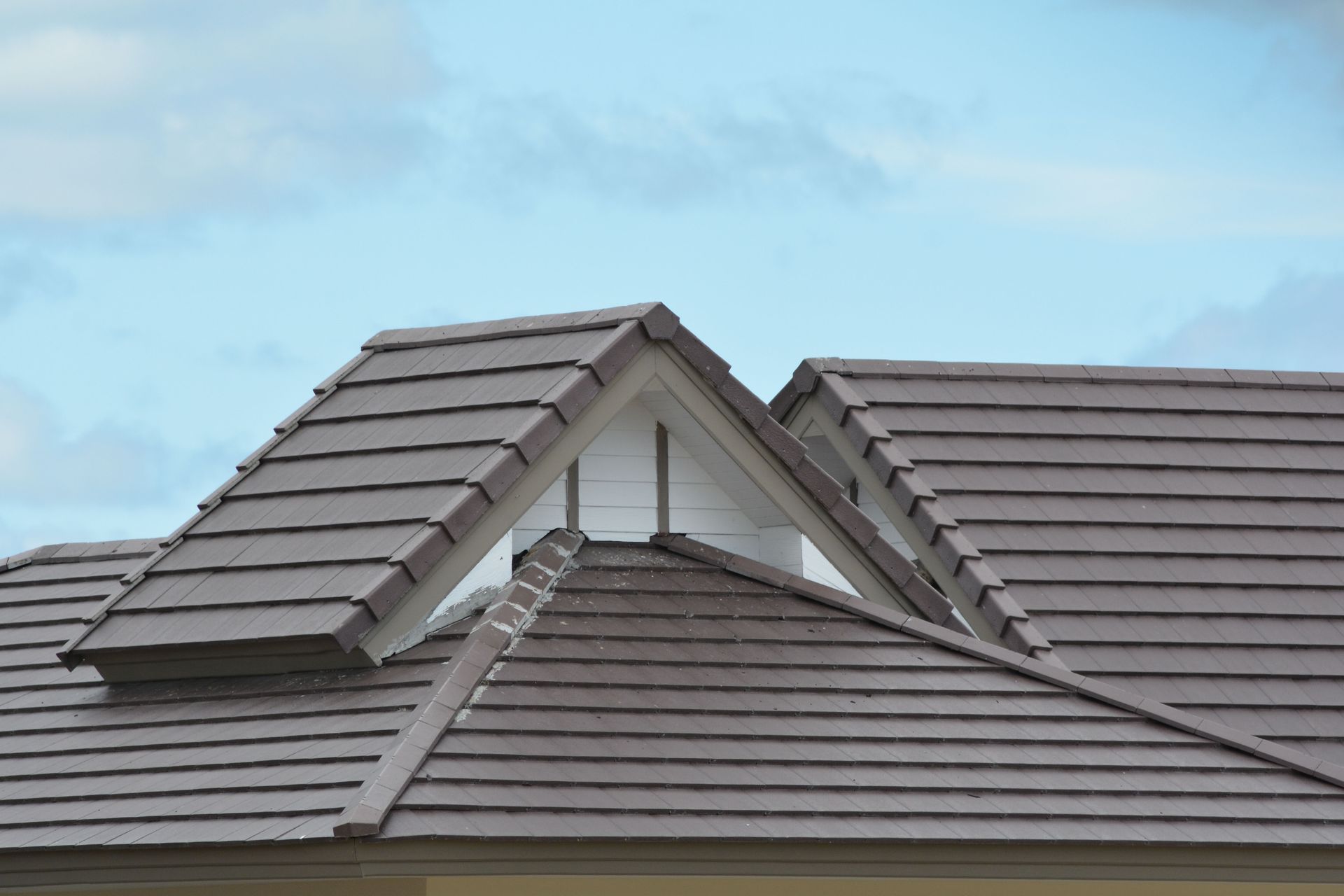
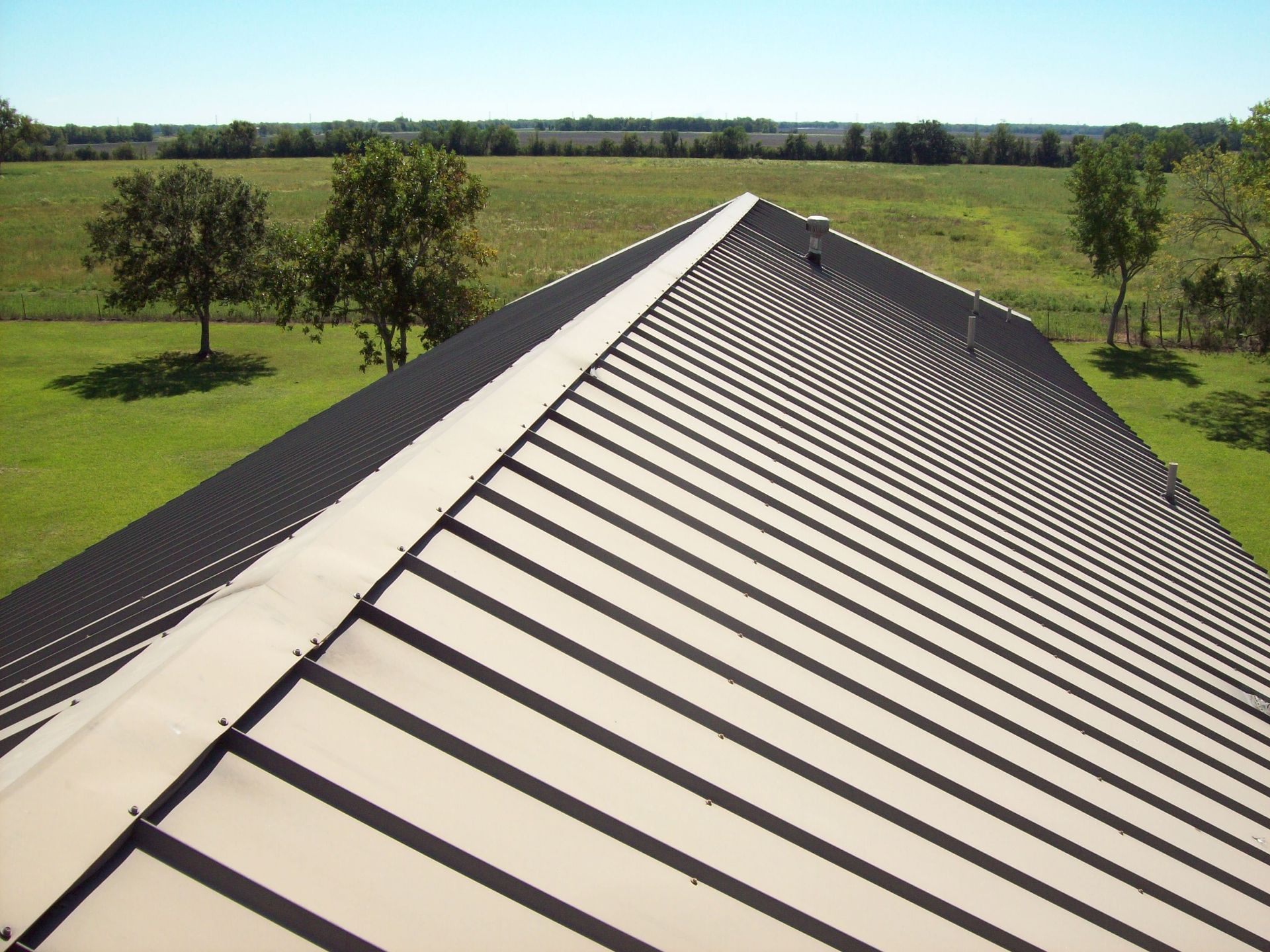
The market is filled with a variety of material options, each carrying distinct advantages, lifespans, and price points. Traditional asphalt options offer a balance of affordability and reliability, making them a common sight in modern developments across the country. For homeowners looking for enhanced longevity, metal panels, clay tiles, or natural slate offer incredible durability that can span multiple generations. Certified roofing companies can provide physical samples and explain how different materials affect the overall weight load of your home framing. The weight of premium materials like slate requires specific structural reinforcement that must be planned before installation begins. Balancing your upfront budget with the long-term lifecycle costs of these materials is the smartest way to choose your final layout.
The Critical Role of Proper Ventilation
A functional roof requires a continuous intake and exhaust system to manage temperature and moisture levels within your attic space. Without balanced airflow, heat builds up in the summer, forcing your air conditioner to work harder and increasing your energy costs. In the winter, trapped moisture from cooking and showering can condense against the cold underside of the roof deck, creating a breeding ground for mold and wood rot. Experienced roofing companies prioritize ridge vents, soffit vents, and baffle installations to keep air moving naturally beneath the roof surface. Proper airflow also prevents ice dams from forming along your eaves, which can tear apart gutters and cause interior leaks. Ensuring this hidden system is properly engineered is just as vital as picking the perfect outer shingle color.
Budgeting for Material and Labor Costs
Establishing an accurate financial plan for your new roof involves looking beyond the price tag of the raw materials themselves. Total expenses reflect a combination of material quality, architectural complexity, local permitting requirements, and specialized labor. Reputable roofing companies provide transparent, itemized estimates that break down the costs of flashing, underlayment, ventilation accessories, and clean-up fees. It is always wise to set aside a financial buffer of ten to fifteen percent to handle any unexpected adjustments during construction. A detailed financial breakdown keeps your project moving smoothly without forcing you to compromise on component quality. Understanding these financial moving parts early protects you from unexpected mid-project surprises.
Navigating Building Codes and Permissions
Every municipality enforces specific building codes and zoning laws that regulate construction practices, material ratings, and wind-resistance standards. Failing to secure the proper legal permits before starting construction can result in expensive delays, official fines, or issues when you try to secure homeowners insurance. Professional roofing companies handle the bureaucratic heavy lifting by submitting architectural plans and scheduling mandatory safety inspections with city officials. These regulations are in place to guarantee that your home structure can safely withstand environmental stress over time. Staying compliant with local laws protects your financial investment and ensures your peace of mind throughout the build. Trusting licensed professionals to manage these permits guarantees that your project satisfies every legal benchmark.
Evaluating Professional Expertise and Credibility
The longevity of your roof depends heavily on the skill of the team putting it together, making your choice of contractor incredibly important. Homeowners should focus on finding crews with active licenses, comprehensive liability insurance, and workers' compensation coverage to protect against on-site accidents. Established roofing companies are happy to share portfolios of their completed projects and provide references from recent clients in your community. Checking manufacturer certifications is another great way to verify that a crew has received proper training on specific material applications. Investing time into vetting your contractors guarantees that your materials are installed according to manufacturer specifications, keeping your warranties completely valid.
Analyzing Architectural Design and Pitch
The architectural shape and slope of your roofline directly influence both your home's curb appeal and its water-shedding efficiency. Steep slopes allow rainwater and debris to run off rapidly, minimizing the risk of pooling water but requiring specialized safety setups during installation. Flat or low-slope designs offer a sleek modern aesthetic but require specialized waterproof membranes to prevent standing water from penetrating the seams. Skilled roofing companies evaluate these geometric factors to ensure your chosen materials match the structural pitch of your house blueprint. The complexity of valleys, dormers, and chimney intersections also dictates how much flashing is required to keep the system watertight. Matching the right design with the correct installation technique prevents chronic leaking issues later on.
Understanding the Scale of National Roof Production
When planning a new installation, it helps to understand how large and standardized the domestic construction market has become over the decades. According to RubyHome, an estimated five million roofs are installed annually. This immense volume emphasizes the continuous demand for reliable structural protection and the vast infrastructure supporting material manufacturing. Because the industry operates on such a massive scale, top roofing companies have access to robust supply chains, strict material safety testing, and refined installation techniques. Knowing that millions of homes undergo this exact process every year can give you confidence in the proven methods used by modern builders. This industrial scale ensures that the components protecting your family have been tested against rigorous performance standards.
Preparing Your Property for Construction Day
The actual installation window is a fast-paced, heavy industrial process that transforms your quiet lot into an active work zone. Homeowners can assist the crew by clearing vehicles from driveways, moving patio furniture, and shielding delicate landscaping from falling debris. Leading roofing companies use protective tarps and magnetic sweeping tools to collect stray nails and secure the perimeter throughout the day. It is also smart to remove loose wall decorations inside your home, as the vibrations from roof hammering can occasionally cause items to shift. Communicating with your neighbors about the scheduled construction dates helps manage expectations regarding noise and delivery truck traffic. A little proactive organization on your lot helps the crew work safely and efficiently.
Establishing a Long-Term Maintenance Plan
Once your new roof is successfully installed, protecting your investment requires a commitment to consistent, proactive upkeep over the years. Scheduling semi-annual inspections allows you to identify minor issues like loose flashing or clogged gutters before they turn into major interior emergencies. Qualified roofing companies can safely clear away accumulated leaves, check sealants around plumbing vents, and monitor the property for storm damage. Keeping trees trimmed back from your roofline prevents heavy branches from scratching the materials or dropping excessive debris onto the surface. Regular care preserves the aesthetic beauty of your home and ensures that your structural warranties remain active for decades. Consistent upkeep is the absolute key to maximizing the lifespan of your new roof.
Investing in a new construction roof is a defining moment in the creation of your home, setting the foundation for decades of comfort, safety, and property value. By understanding the importance of climate customization, material lifespans, and proper attic ventilation, you can confidently oversee your installation project. When you are ready to secure a durable, beautiful roof for your new property, connect with our expert team at Affordable Exteriors to bring your vision to life.