June 8, 2026
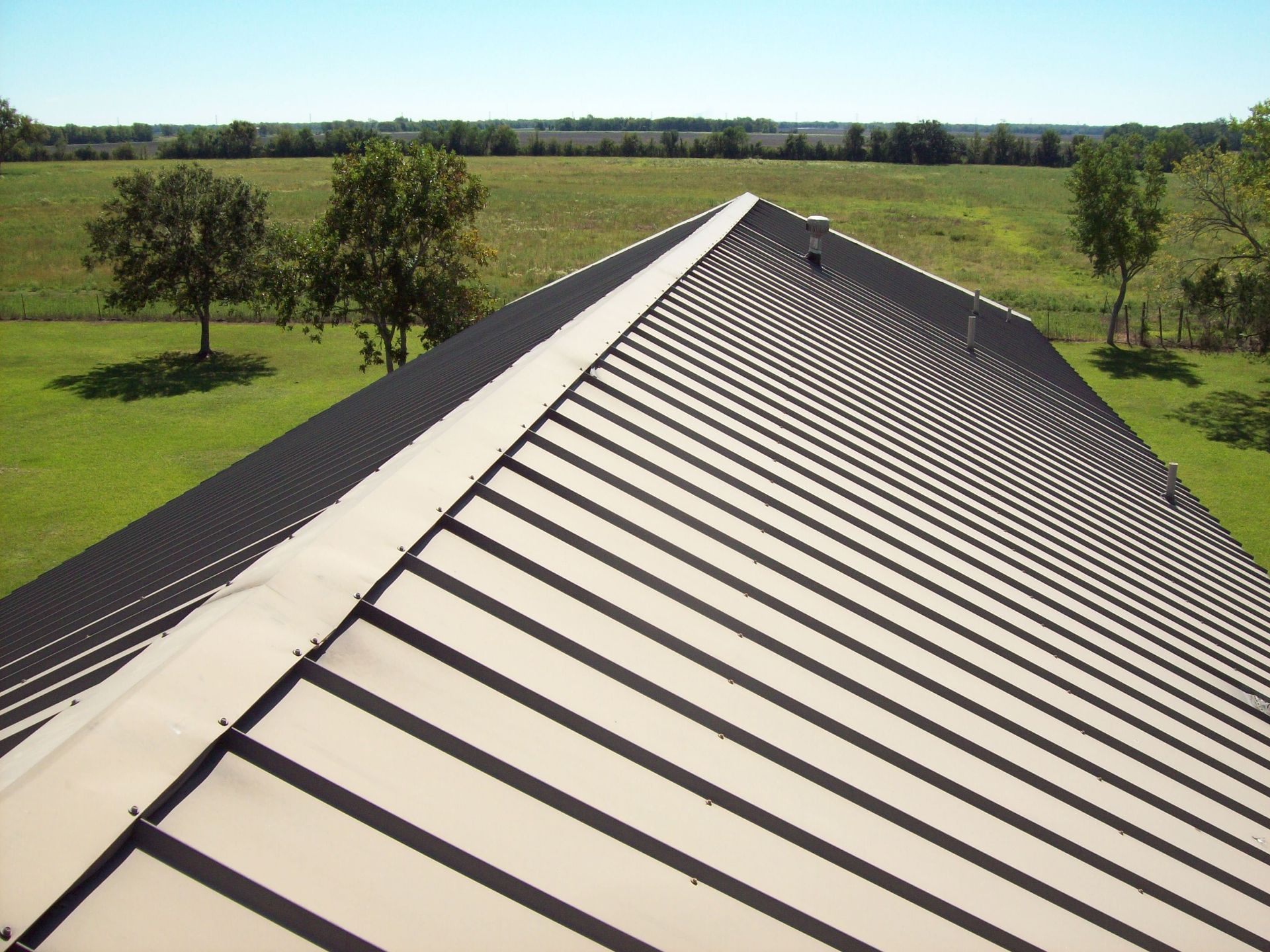
Metal roofing has moved from a niche option to a mainstream choice for residential properties. Homeowners are increasingly focused on long-term durability, energy performance, and overall value when selecting roofing systems. As a result, many consult a roofing contractor early to understand material differences and installation expectations. Metal roofing is now seen less as an industrial solution and more as a practical, versatile residential upgrade. This shift reflects a broader change in how homes are built, maintained, and improved over time.
Evaluating Roofing Material Choices
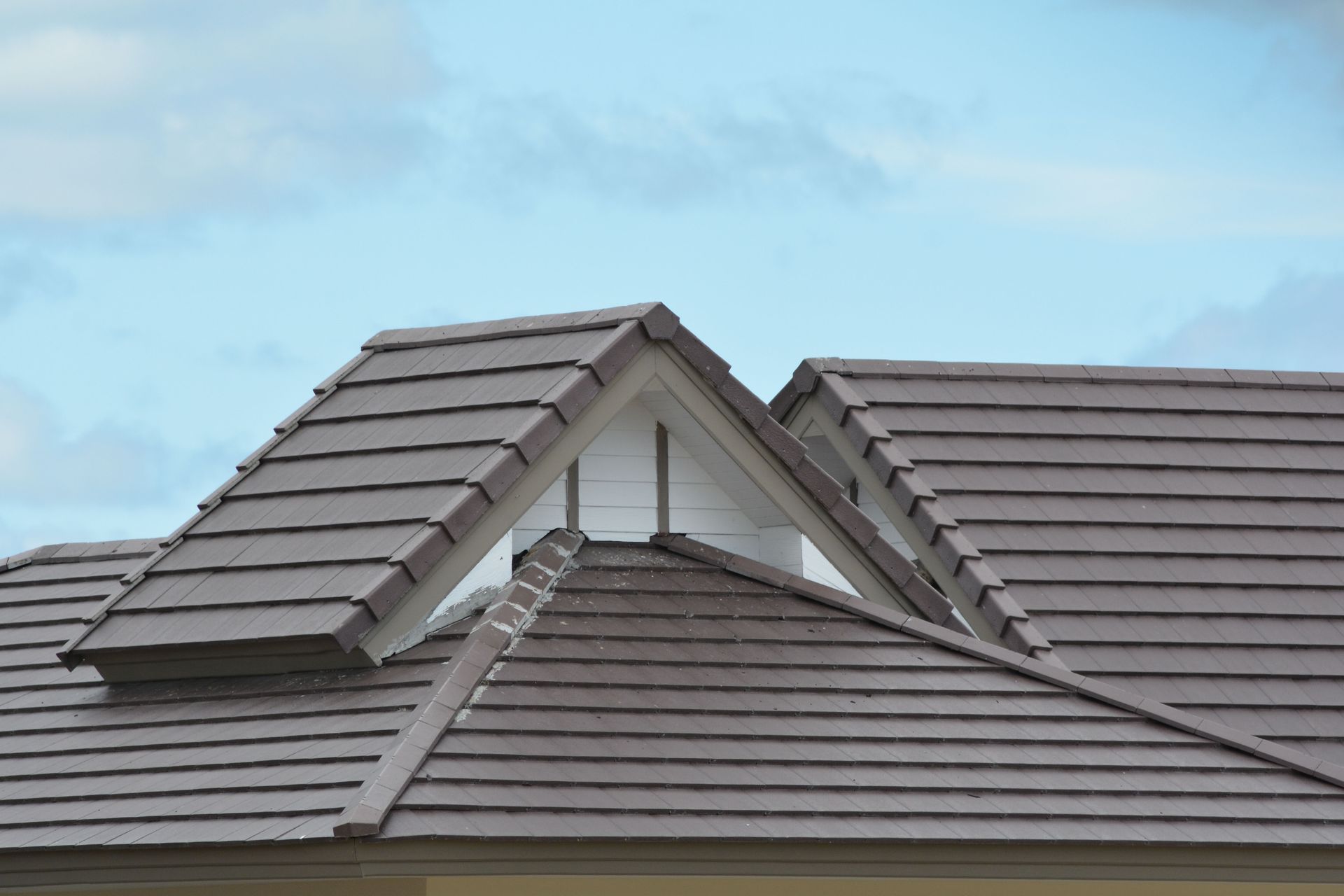
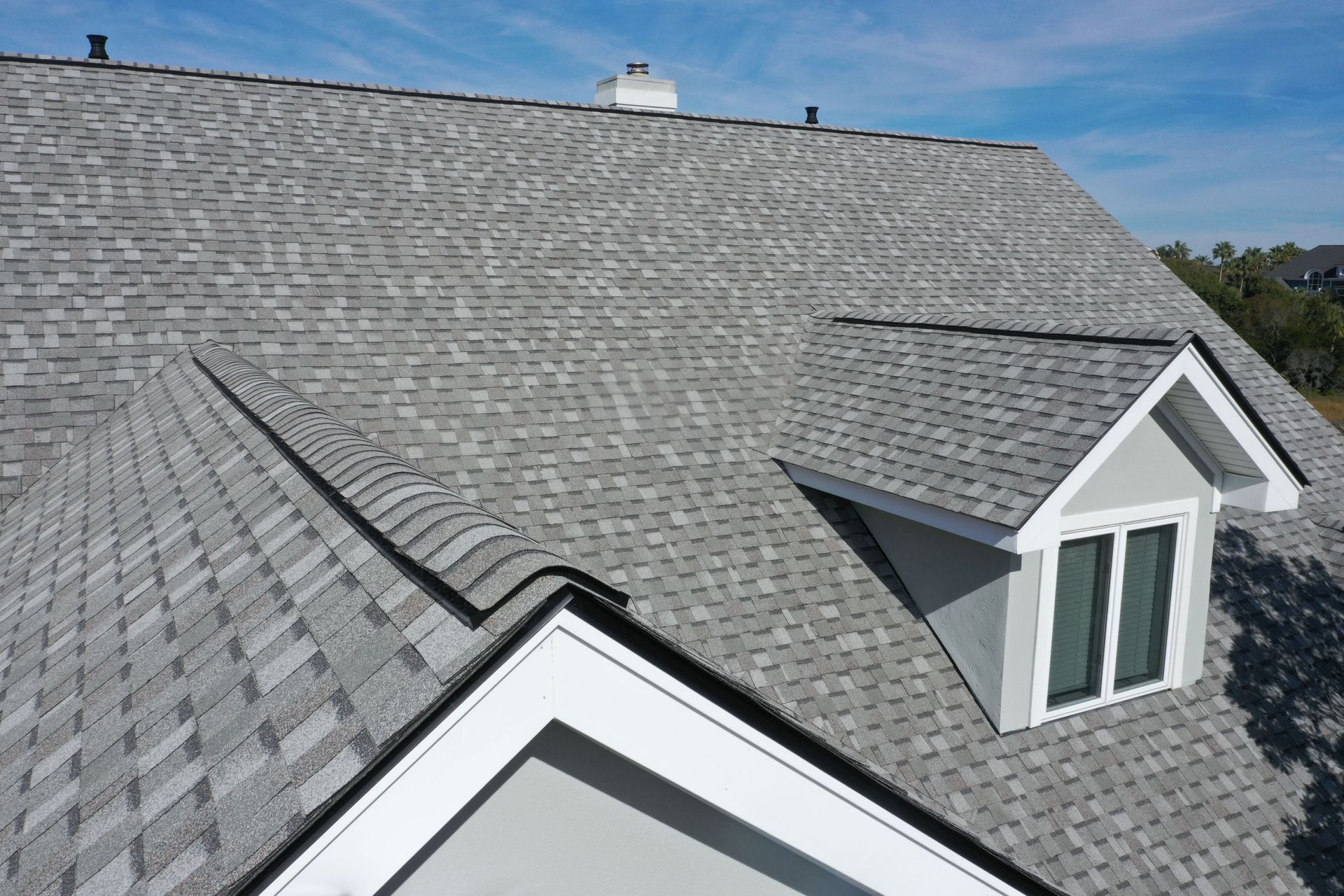
Choosing the right roofing system usually begins with comparing available materials and understanding how each performs over time. Homeowners often rely on a roofing contractor to explain differences between asphalt, tile, and metal systems in practical terms rather than technical jargon. This step is important because upfront cost alone rarely reflects the true lifetime value of a roof.
Metal roofing tends to stand out because it balances strength with long-term reliability. It is designed to handle environmental stress more effectively than many traditional options, which reduces the frequency of repairs and replacements. Homeowners also appreciate that it requires less ongoing attention once installed properly. A roofing contractor typically highlights how these characteristics translate into fewer disruptions and lower long-term maintenance concerns.
At this stage, many people begin to shift their focus from short-term pricing to long-term performance. That change in perspective often determines whether metal roofing becomes a serious contender in the decision-making process.
Comparing Metal Roofing Performance
Performance is one of the most important factors when evaluating roofing systems, especially in regions with variable weather conditions. A roofing contractor will often explain that metal roofing is engineered to withstand wind, rain, and temperature fluctuations more effectively than many traditional materials. This resilience plays a key role in reducing long-term structural damage.
According to Ruby Home, metal roofing typically lasts between 40 and 80 years, depending on material type, installation quality, and environmental exposure. That lifespan significantly exceeds many conventional roofing options, which often require replacement far earlier. This extended durability is one of the main reasons homeowners are making the switch to metal systems.
Beyond longevity, metal roofing also resists issues like cracking, warping, and moisture absorption. These advantages reduce the need for frequent repairs and help maintain consistent performance over time. A roofing contractor may emphasize that fewer repairs not only reduce costs but also minimize inconvenience for homeowners.
Enhancing Energy Efficiency Benefits
Energy efficiency has become a central consideration in modern home improvements, and roofing plays a major role in overall performance. Metal roofing reflects a significant portion of solar heat rather than absorbing it, which helps regulate indoor temperatures more effectively. A roofing contractor often highlights this feature when discussing long-term utility savings with homeowners.
When paired with proper insulation, metal roofing systems can further improve thermal control throughout the year. This combination helps reduce strain on heating and cooling systems, leading to more stable energy usage. The result is a more comfortable indoor environment with less reliance on mechanical temperature control.
Cool roof coatings are also commonly used to enhance reflective performance even further. These coatings improve energy efficiency during warmer months and support consistent indoor comfort. Homeowners who prioritize lower utility costs often see this as a long-term financial benefit rather than just an upgrade feature.
A roofing contractor may also point out that energy-efficient roofing can contribute to broader sustainability goals. Reduced energy consumption not only lowers household expenses but also supports more responsible resource use overall.
Expanding Design Flexibility Options
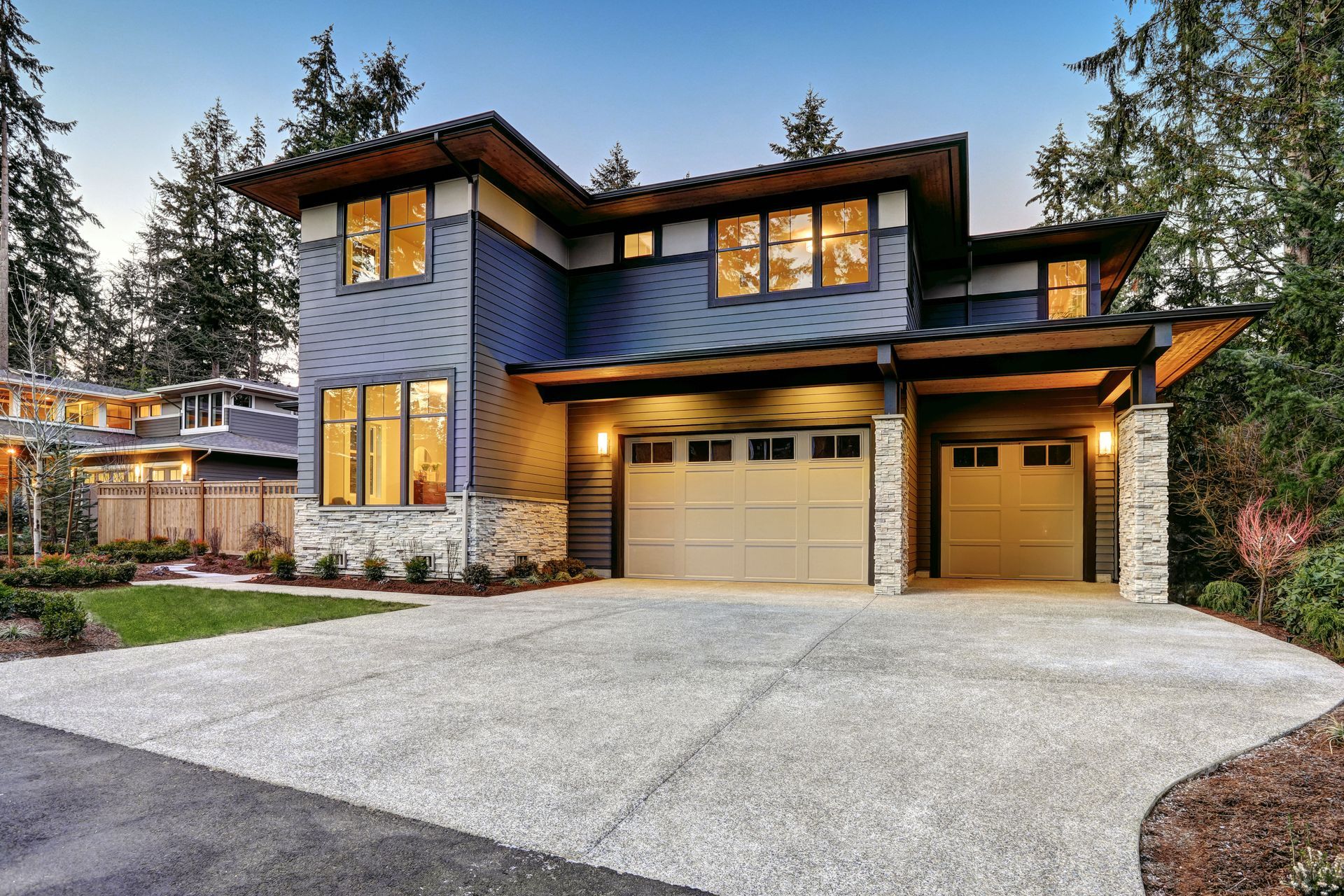
Modern roofing is no longer limited to basic functionality, and design flexibility has become a major selling point for homeowners. Metal roofing is available in a wide range of colors, textures, and profiles, allowing it to match nearly any architectural style. A roofing contractor often notes that this versatility is one of the most overlooked advantages.
Metal roofing can replicate the appearance of slate, tile, or traditional shingles while still delivering improved performance. This allows homeowners to maintain design preferences without sacrificing durability. It also gives greater freedom when updating or renovating older properties.
Customization options further expand design possibilities. Finishes, coatings, and panel styles can be adjusted to align with personal taste and exterior design goals. A roofing contractor may work with homeowners to ensure the selected style complements the overall structure rather than competing with it.
This design flexibility also contributes to long-term satisfaction. Homeowners are less likely to feel the need for aesthetic updates when the roofing system remains visually relevant over time.
Strengthening Environmental Sustainability
Sustainability has become an important factor in construction and home improvement decisions. Metal roofing supports environmentally responsible building practices through its recyclability and long service life. A roofing contractor often highlights these benefits when working with environmentally conscious homeowners.
One of the key advantages is that metal roofing materials can be recycled at the end of their lifespan. This reduces landfill waste and supports more efficient use of raw materials. Additionally, many metal roofing products are manufactured using recycled content, further reducing environmental impact.
Long lifespan also contributes to sustainability by reducing the frequency of replacements. Fewer replacements mean fewer materials consumed over time and less construction waste generated overall. These factors make metal roofing a practical option for reducing environmental footprint.
Metal roofing also works well with solar panel systems, supporting renewable energy adoption. A roofing contractor may recommend this combination for homeowners interested in long-term energy independence and sustainability planning.
Managing Installation and Maintenance
Proper installation is essential for ensuring the long-term performance of any roofing system. Metal roofing requires precise fitting and secure fastening to achieve maximum durability. A roofing contractor plays a critical role in ensuring the system is installed correctly from the beginning.
The installation process is generally efficient, especially when handled by experienced professionals. Lightweight materials and prefabricated panels can reduce installation time compared to heavier roofing systems. However, accuracy remains essential to avoid future performance issues.
Once installed, maintenance requirements are relatively low compared to other roofing materials. Routine inspections and occasional cleaning are typically sufficient to maintain performance. A roofing contractor usually recommends seasonal checks to ensure fasteners and seals remain in good condition.
Repairs are also less frequent, which helps reduce long-term service costs. This reliability makes metal roofing appealing to homeowners who prefer predictable maintenance needs rather than ongoing repairs.
Maximizing Long-Term Value
Long-term value is one of the strongest reasons homeowners choose metal roofing over traditional options. While initial installation costs may be higher, the extended lifespan and reduced maintenance needs often balance the investment over time. A roofing contractor typically frames this decision as a lifecycle cost evaluation rather than an upfront expense comparison.
Metal roofing also supports property value retention. Homes with durable and energy-efficient roofing systems tend to attract more interest in the real estate market. Buyers often view metal roofing as a sign of reduced future maintenance concerns.
Insurance considerations may also contribute to long-term value. Some providers recognize the durability of metal roofing and factor it into coverage assessments. This can provide additional financial advantages over time. Ultimately, the combination of durability, efficiency, and reduced maintenance creates a strong long-term return. Homeowners benefit not just from performance but also from financial stability over the life of the roof.
Metal roofing continues to gain traction because it aligns with the priorities of modern homeowners, including durability, efficiency, and design flexibility. It performs well across a wide range of conditions and supports both financial and environmental goals. A roofing contractor remains an essential resource in guiding homeowners through material selection and installation decisions to ensure the best outcome. For homeowners ready to upgrade to a long-lasting and efficient roofing system, expert guidance makes the process more straightforward and reliable. Contact Affordable Exteriors to get started with a trusted solution tailored to your home.